

Jaeger-LeCoultre: Master Hybris Mechanica - Ultra Thin Minute Repeater Tourbillon Unveiled
An ultra-thin open-worked calibre combining a flying tourbillon and minute repeater in a fully integrated architecture
PRESS RELEASE | 473 WORDS | 3 MINUTE READ
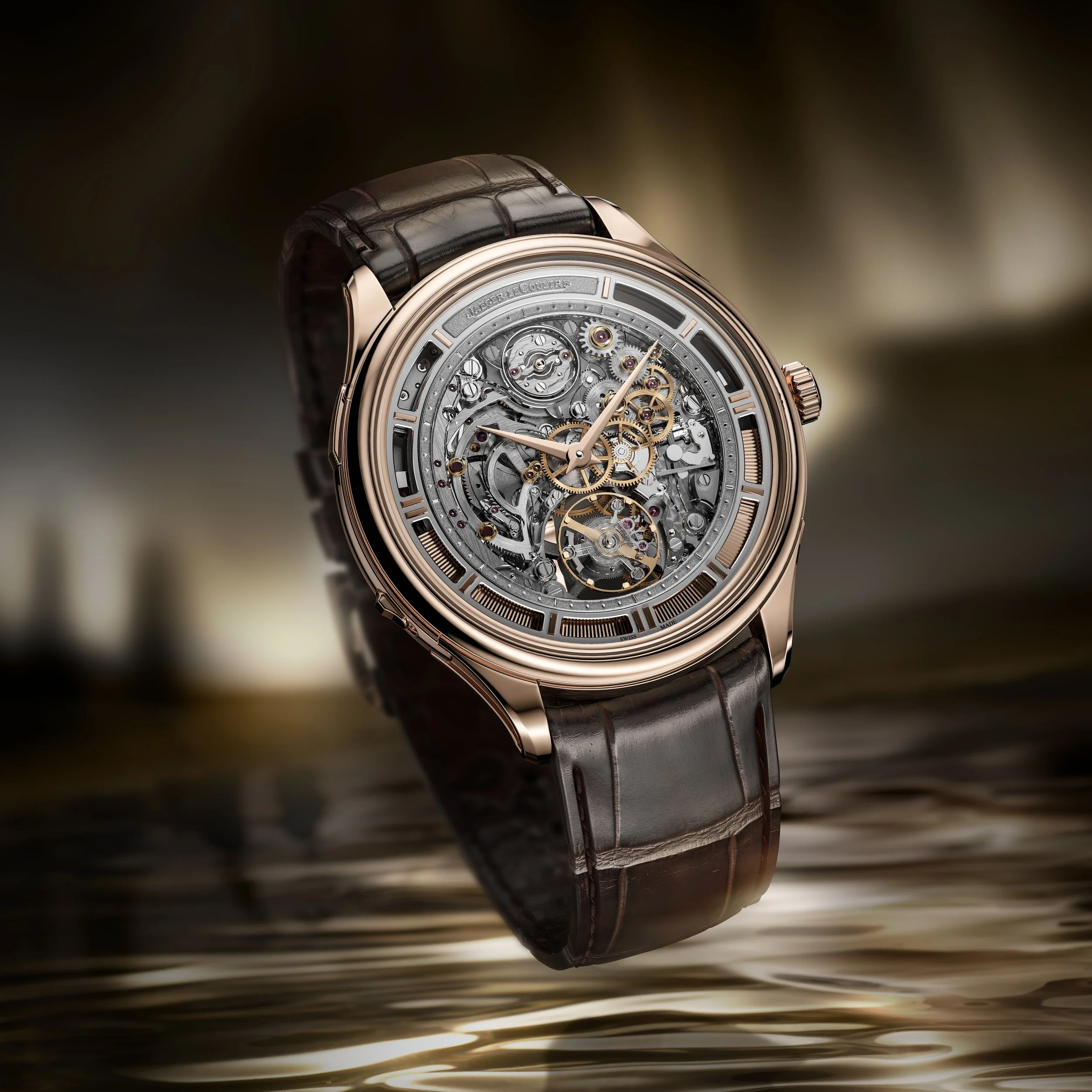
Photo Courtesy: Jaeger-LeCoultre
Introducing the Master Hybris Mechanica Ultra Thin Minute Repeater Tourbillon
Jaeger-LeCoultre presents a new interpretation of its landmark ultra-thin high-complication calibre with the Master Hybris Mechanica Ultra Thin Minute Repeater Tourbillon. Encased in 18K pink gold and measuring just 8.25 mm thick, the timepiece brings together a flying tourbillon and minute repeater within a fully open-worked architecture.
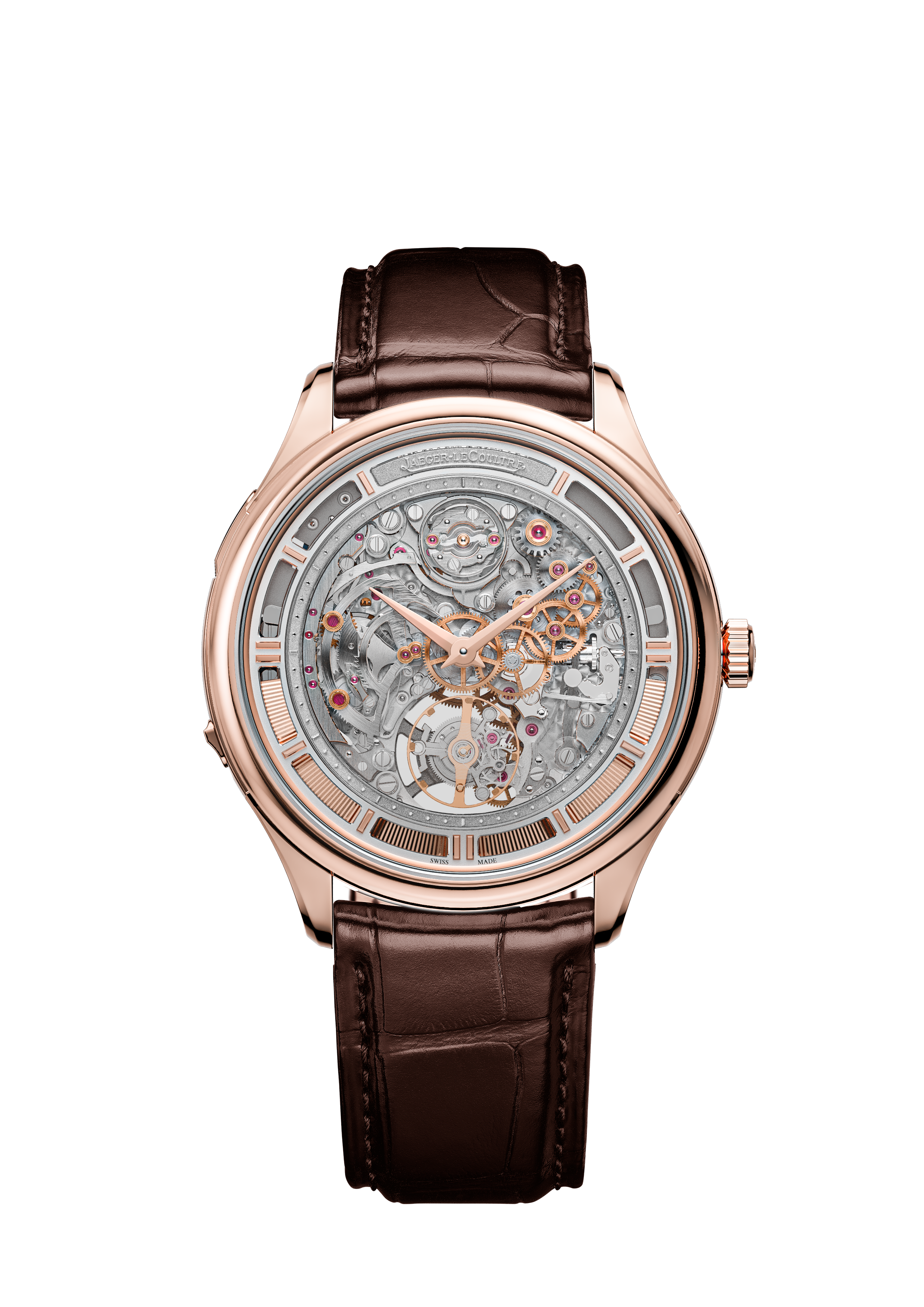
A Fully Integrated High-Complication Calibre
At the heart of the watch lies Calibre 362, a movement engineered from inception as a unified system rather than a layered construction. The minute repeater is structurally embedded within the calibre, enabling exceptional thinness without compromising acoustic performance.
Key highlights include:
Fully integrated minute repeater architecture
One-minute flying tourbillon (59 components, 0.248 grams)
Peripheral rotor for automatic winding without added thickness
Seven patents, including six developed specifically for this calibre
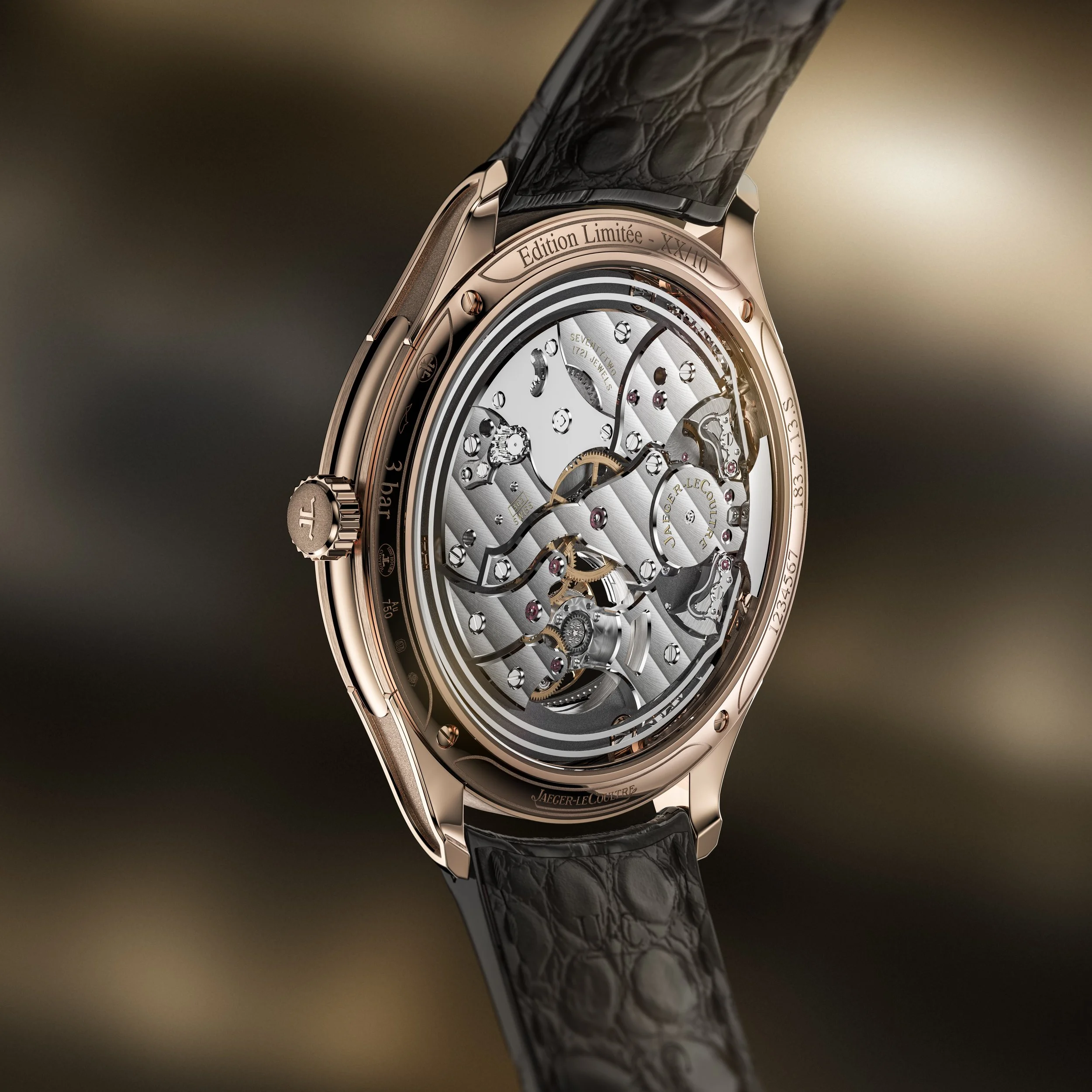
Ultra-Thin Engineering Meets Acoustic Mastery
The calibre remains the world’s thinnest automatic minute repeater tourbillon, drawing on the Manufacture’s legacy in chiming complications dating back to 1870.
Technical refinements include:
Re-engineered striking mechanism occupying minimal vertical space
One-piece square-profile gongs for enhanced resonance
Trebuchet hammers for improved striking precision
Silent time-lapse reduction mechanism for seamless chime sequencing
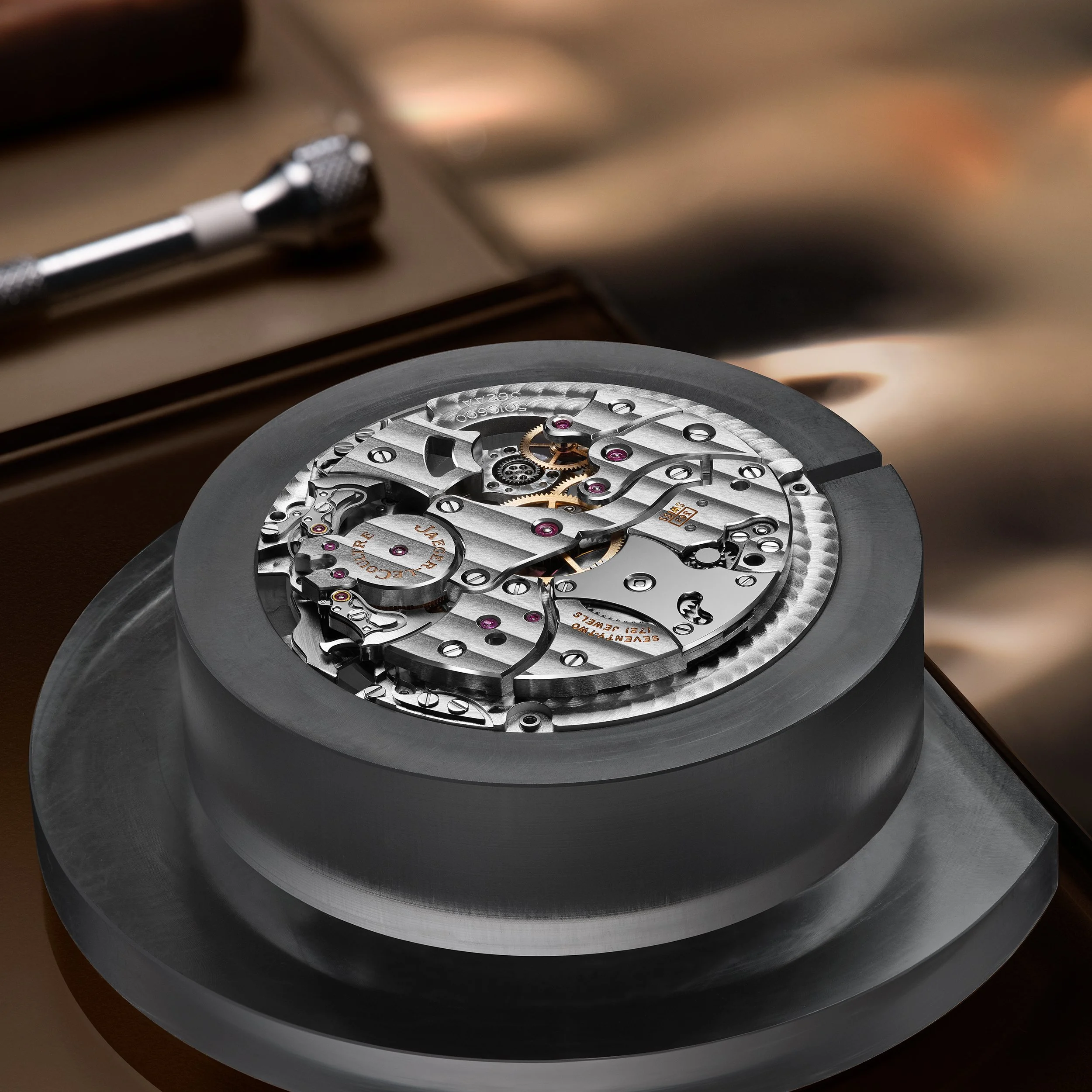
Transparency Redefined: Sapphire Bridge Construction
In a significant technical achievement, three structural bridges are crafted from transparent sapphire crystal, dramatically enhancing visibility of the movement.
This innovation required:
Integration of ruby jewels via 18K pink gold chatons
Anti-reflective and anti-static treatments
Precision finishing to maintain structural integrity
The result is near-total visual access to the calibre’s 593 components, including the full minute repeater sequence and tourbillon motion.
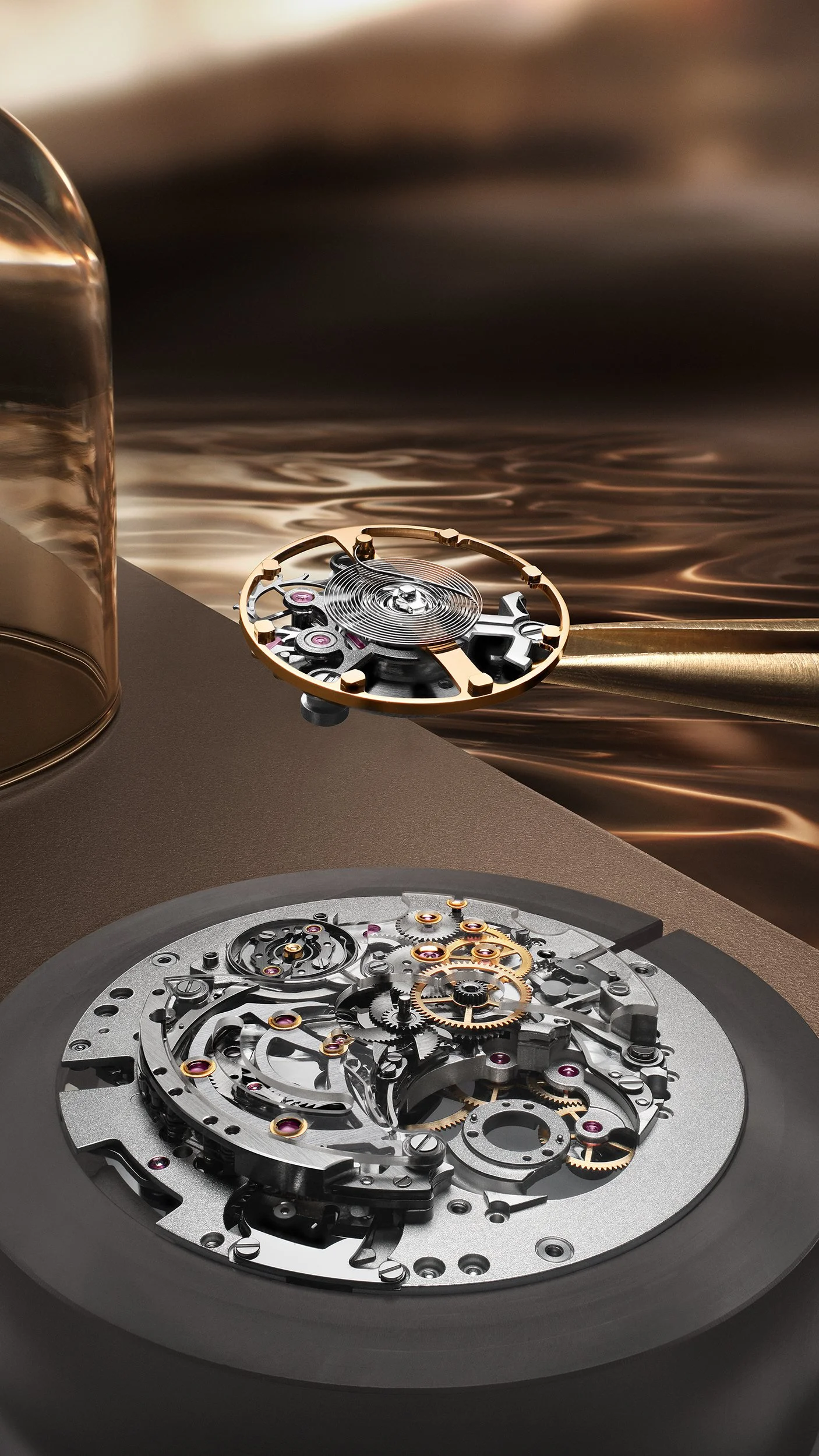
Open-Worked Aesthetic and Métiers Rares Finishing
The movement is decorated with 14 distinct finishing techniques, including:
Perlage and Côtes de Genève
Hand-bevelling and diamond polishing
Guillochage and sunray brushing
Notable craftsmanship details:
60 hand-bevelled components
48 inner angles finished by hand
Open-worked dial ring in 18K white gold
Guilloché peripheral rotor crafted in-house
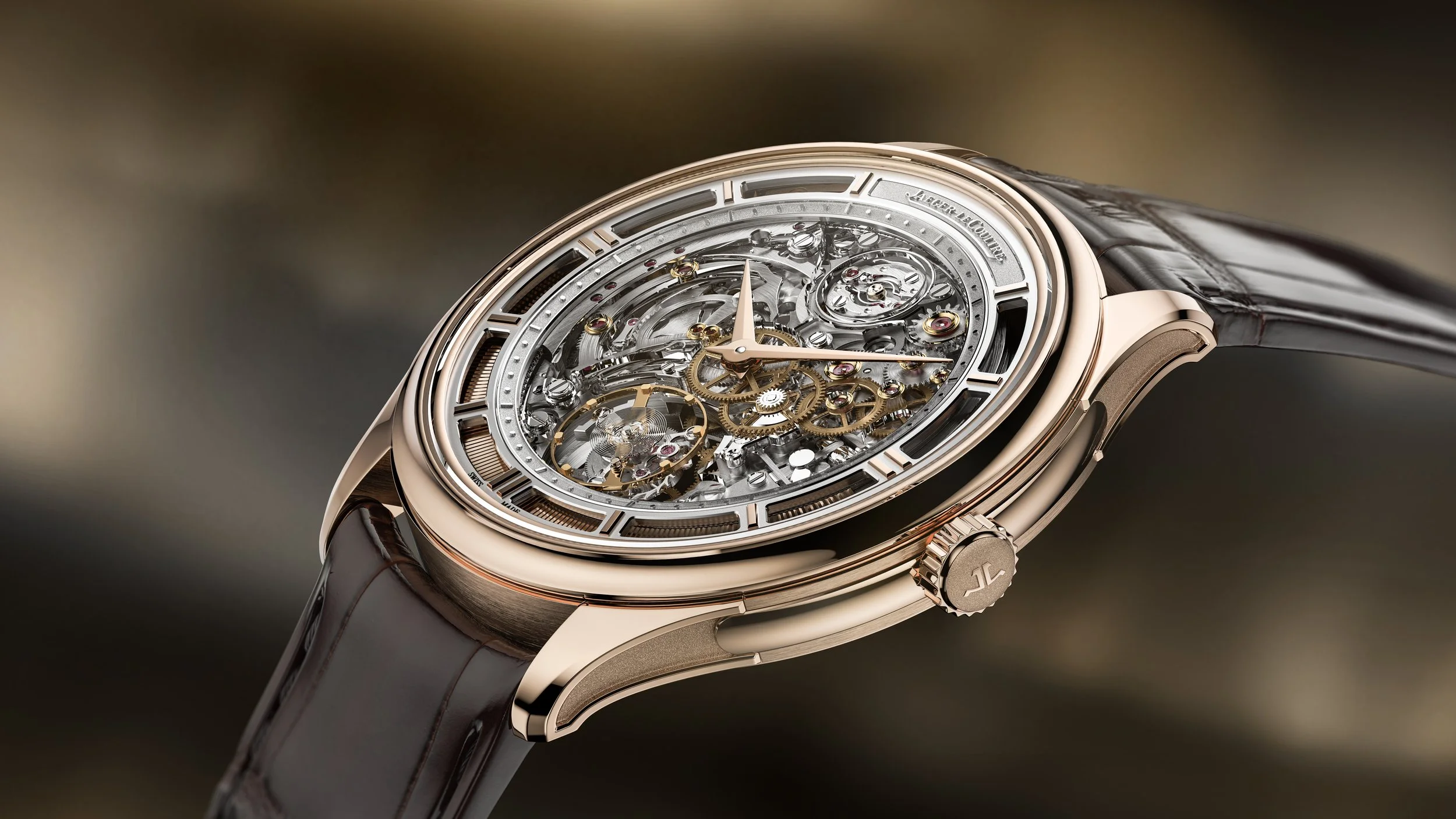
Design and Ergonomics: A Case Engineered for Complexity
The 18K pink gold case, composed of 60 components, integrates multiple finishes, polished, brushed and micro-blasted to enhance light interaction.
A patented dual-button system replaces the traditional repeater slide:
Button at 10 o’clock activates the repeater
Button at 8 o’clock locks/unlocks the function
This innovation improves ergonomics while preserving the watch’s ultra-thin profile.
A Legacy of Precision and Innovation
This release continues Jaeger-LeCoultre’s long-standing pursuit of precision, rooted in:
Ultra-thin calibre development since 1907
Tourbillon innovation since 1946
Over 200 chiming calibres created
The Master Hybris Mechanica Ultra Thin Minute Repeater Tourbillon stands as a synthesis of these disciplines where mechanical ingenuity, acoustic science, and aesthetic refinement converge.
Availability
The Master Hybris Mechanica Ultra Thin Minute Repeater Tourbillon by Jaeger-LeCoultre is available through the official website. For further information, visit: https://www.jaeger-lecoultre.com/
